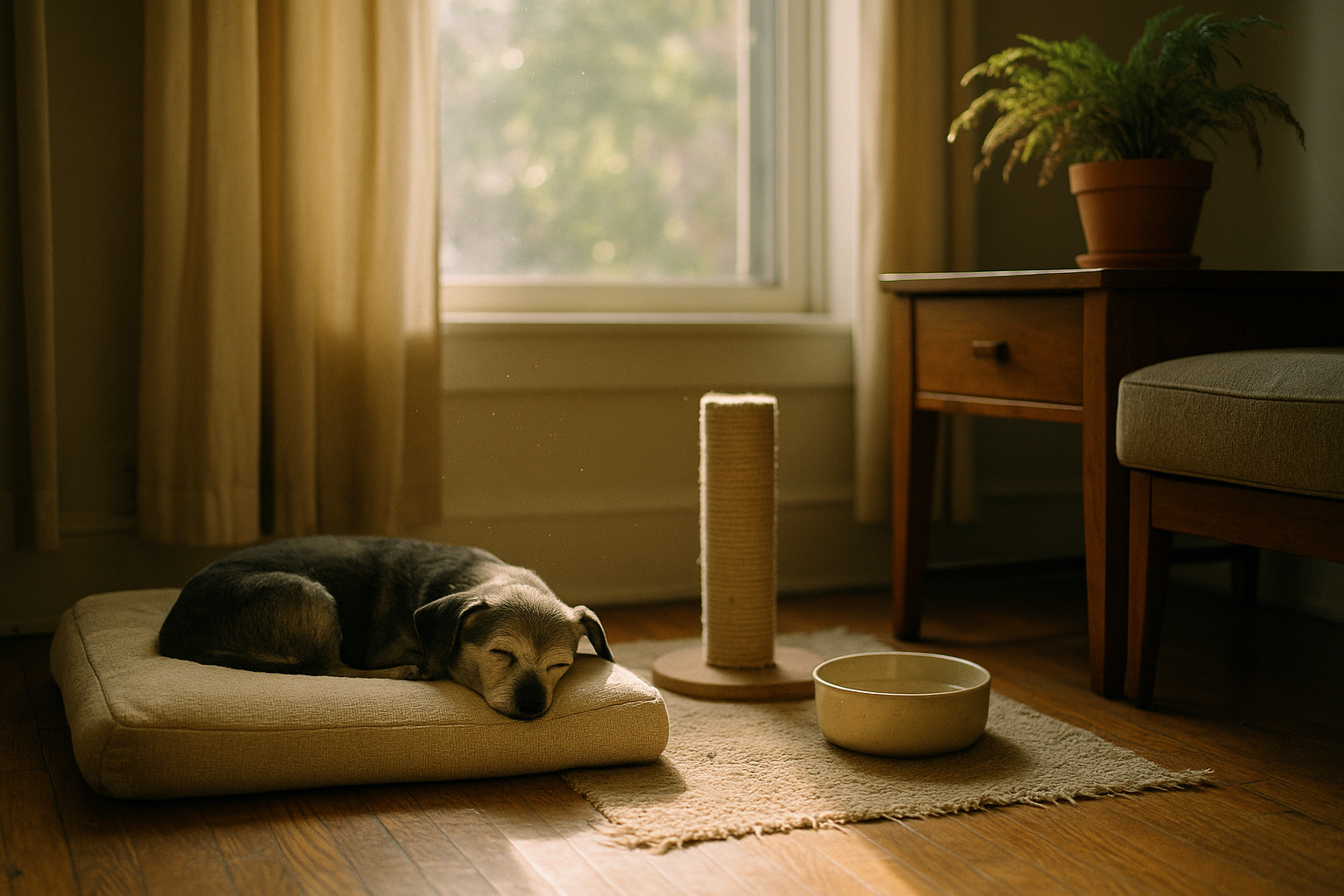
Choosing the Right Pet: Practical Suitability Ideas for Older Adults
Outline:
– Why pets can be a great fit for older adults, with practical considerations
– How to evaluate personality, energy, and daily rhythms
– Dogs for seniors, including the advantages of adopting older pups
– Quiet, low-upkeep alternatives such as cats, small mammals, and fish
– Realistic budgeting, time planning, and care coordination
– Creating a safe home and building a support network
Introduction
Companion animals can turn silence into presence and routine into reassurance. For older adults, the right pet offers structure, social connection, and a reason to move a little each day. Research consistently links pet interaction with reduced loneliness, more walking minutes, and a sense of meaning; at the same time, responsibility must feel light enough to be sustainable. This article explores senior dogs for seniors as well as other options that suit different homes and energy levels, blending facts with practical checklists so you can decide with confidence.
Finding Your Perfect Match
Choosing a pet is less about falling for a cute face and more about aligning lifestyles. Start with your daily rhythm. Are mornings calm and afternoons busier, or the reverse? How many minutes of walking or play feel comfortable? What about stairs, travel, and visits from grandkids? Matching energy to energy prevents strain. A mellow companion complements a quiet schedule; a curious cat might sprinkle play across the day; a senior dog with a gentle stride can anchor short, steady walks.
Think in layers: temperament, maintenance, and environment. Temperament is the “who” of your companion—shy or social, couch-oriented or nose-to-the-ground curious. Maintenance includes grooming, litter or yard setups, and veterinary care. Environment covers flooring, layout, and neighborhood features like sidewalks and parks. To turn these into action, consider a short notebook exercise:
– List three daily moments when you’d enjoy pet interaction, such as morning coffee, afternoon reading, or an evening stroll.
– Note your comfortable activity window in minutes per day and any physical limits (e.g., lifting weight, bending).
– Describe your space: square footage, stairs or elevator, balcony, yard size, or nearby green areas.
Now, compare this snapshot to species and ages. Many older adults find a mature pet easier than a youngster because habits are set and energy is moderate. Senior animals are often house-trained, less prone to chewing, and content with routine. For those seeking affectionate company without long hikes, gently aged dogs and calm cats often fit. Shelters and rescues can suggest matches based on candid behavior notes, and foster-to-adopt programs allow real-life trials. When the profile clicks, companionship feels like a slipper that finally matches your foot: supportive, unforced, and reliably there.
Canine Companions for Seniors: Temperament, Size, and Routine
Dogs add rhythm to a day, but the formula for comfort is personal. Size is a starting point, not a verdict. Small dogs are easier to lift and manage in compact homes, yet some small breeds are lively and vocal. Medium dogs can be sturdy enough for short neighborhood loops, while large dogs offer calm gravitas but may be challenging to handle on stairs or during veterinary visits. Look beyond the silhouette to temperament: steady, people-focused, and leash-mannered often matters more than height at the shoulder.
For many, senior dogs for seniors make a thoughtful match. Older dogs typically need predictable, shorter outings—10 to 20 minutes, two to three times daily—plus potty breaks. They may nap more, accept gentle grooming, and delight in quiet companionship. Veterinary teams often recommend joint-friendly routines: flat routes, warm-up minutes, and traction rugs at home. Consider the following planning notes:
– Mobility: Choose dogs comfortable walking at your natural pace; ask shelters for leash-walk observations.
– Handling: Confirm the dog accepts harnessing, nail trims, and gentle restraint.
– Health: Request recent medical summaries; older dogs may need dental care, arthritis support, or low-impact exercise plans.
Routine turns good intentions into easy habits. Morning: fresh water, a short walk, a small meal. Midday: another walk or backyard time, perhaps a puzzle feeder for mental stimulation. Evening: a final stroll, light brushing, and medications if prescribed. The heartbeat of a routine benefits both parties, stabilizing sleep and appetite. Trainers often highlight that polite leash skills and a simple “wait” cue reduce strain at doorways and curbs. If formal classes feel daunting, ask about in-home coaching or short, senior-friendly sessions. With an age-appropriate dog and a routine that respects energy on both ends of the leash, companionship becomes practical joy rather than daily challenge.
Low-Maintenance Companions: Cats, Small Mammals, and Fish
Not everyone wants daily walks or the exuberance of canine greetings. Many older adults prefer companions whose care fits into gentle pockets of time. Cats are renowned for tidy independence yet still offer warmth. A calm adult cat often needs scheduled feeding, litter maintenance, play bursts with a wand toy, and cozy perches near windows. Litter boxes with low entry, mats for traction, and raised bowls can simplify routines. Short grooming sessions—especially for long-haired cats—keep coats comfortable and reduce shedding around the home.
Small mammals, such as guinea pigs or rabbits, can be charming, social, and reasonably quiet. Their care centers on enclosure hygiene, fresh hay or species-appropriate food, and daily interaction. The rhythm is different from walking a dog; it’s more about tidying habitat spaces and enjoying gentle handling. Many owners appreciate that enclosures can be placed at waist height to reduce bending. Still, thoughtful planning matters:
– Space: Select an enclosure large enough for movement and enrichment, positioned away from drafts.
– Allergies: Test exposure before adopting to avoid discomfort.
– Backup: Identify a neighbor or family member who can feed and spot-clean during appointments or travel.
Fish offer a uniquely calming presence. A modest freshwater setup can be meditative, with daily feeding and weekly partial water changes. Reliable equipment and a stable placement—on a sturdy stand away from direct sun—minimize issues. While initial setup takes learning, maintenance soon becomes routine. For those who want companionship without fur, a well-kept aquarium can be a serene focal point that invites quiet observation. The common thread across these options is fit: a pet whose needs echo your natural pace. When the care cadence aligns with your day, the result is companionship that enhances life without overpowering it.
Budgeting, Time, and Care Plans: What Ownership Really Costs
Companionship should bring ease, not worry, so pencil-and-paper planning is essential. Start with fixed costs: adoption fees, initial exams, vaccines or wellness checks, microchipping if needed, and basic supplies. Then map recurring costs: food, litter or waste bags, grooming, toys, and preventive care. Annual totals vary widely by species and size. Many households find that an adult cat’s basic yearly expenses land in a modest range, while small-to-medium dogs require a bit more for food and routine care. Unplanned expenses—dental procedures, diagnostics, or treatment for injuries—can eclipse routine budgets if not anticipated.
One practical approach is to set aside a monthly “pet reserve,” even a small sum, to soften surprises. Consider these rough planning anchors (actual amounts differ by region):
– Initial setup: bowls, bed, collar or harness, carrier, litter box or crate, and first aid basics.
– Recurring monthly: food, litter or waste bags, preventive medications if prescribed, grooming supplies.
– Annual or semiannual: exams, vaccinations, dental cleanings as advised, license fees.
Time is part of the budget. Dogs, even seniors, need regular walks and companionship; cats and small mammals need feeding, habitat care, and play; aquariums need scheduled maintenance. Estimate your weekly availability honestly. If mornings are wide open but evenings are quiet reading time, choose a pet whose peak activity follows that arc. Finally, craft a care plan: who helps during appointments, illness, or travel? Neighbors, family, or local sitters can be listed with phone numbers and house notes. Keep essentials in one folder: feeding guidelines, medication schedules, veterinary contacts, and a copy of keys or entry instructions. With planning, costs and commitments feel clear and manageable, letting the joy of companionship take the lead.
Housing, Safety, and Support: Setting Up for Success
Great matches thrive in safe, well-prepared homes. Start at ground level: traction mats on slick floors, tidy cable management, and secure rugs reduce slips for both owner and pet. For dogs, add a stable water station, a non-skid feeding mat, and a bed with supportive sides for older joints. For cats, position a litter box with a low entry and provide vertical options with stable bases. For small mammals, elevate enclosures to a comfortable height to reduce bending. For aquariums, use sturdy stands and confirm outlets sit above the water line.
Safety also lives outside your front door. Choose walking routes with wide sidewalks, regular benches, and good lighting. A crossbody treat pouch and a lightweight, well-fitted harness help with balance and control. In multi-unit buildings, ask about pet policies, elevator etiquette, and designated relief areas. Neighborhood support strengthens the routine:
– Build a small contact circle: a neighbor who can do a midday check, a friend willing to cover a weekend, and a reliable sitter option.
– Create a shared calendar for feeding, medications, and appointments, visible to helpers.
– Set reminders for preventive care, grooming, and supply restocking to avoid last-minute scrambles.
Think ahead to emergencies. Prepare a grab-and-go kit with a few days of food, medications, vaccination records, a spare leash or carrier, and sanitation supplies. Label items clearly. Post a small note near the door indicating pets inside and emergency contacts. Many communities host low-cost wellness clinics and training workshops; ask local shelters or city services for schedules. With home adjustments and a modest support web, responsibility feels lighter. Companionship then becomes what it should be—a steady presence that fits your life, supports your health, and invites gentle, daily joy.
Conclusion
A right-sized pet can enrich an older adult’s routine with warmth, purpose, and calm adventure. Whether your heart leans toward slow-sniff dog walks, window-watching with a cat, the soft chatter of small mammals, or the quiet glide of fish, the key is honest fit. Plan for costs and time, shape your home for safety, and gather a small circle of support. With a thoughtful match and clear routines, companionship becomes sustainable comfort—day after day, season after season.


