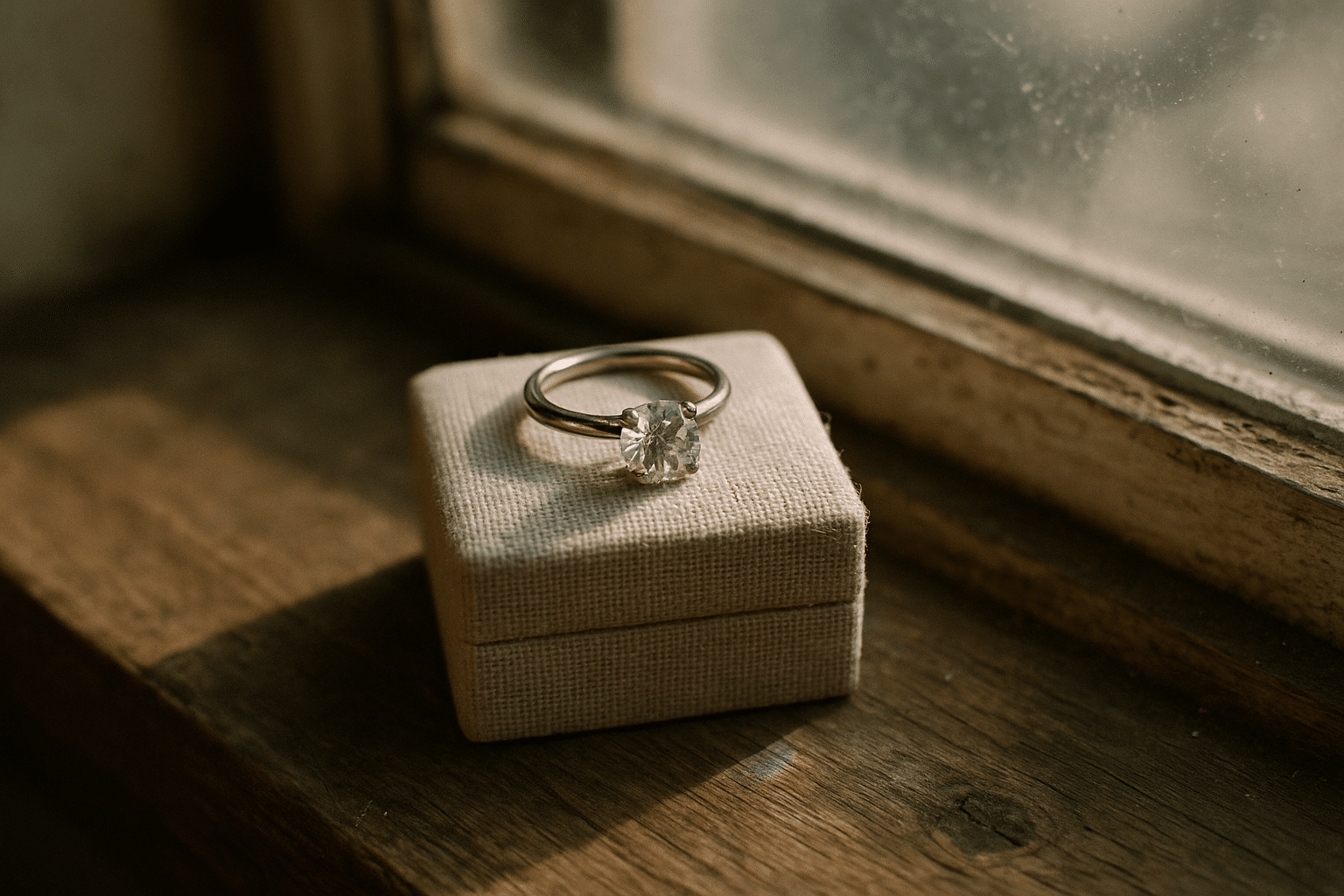
Lab-Grown Diamond Rings: A Practical Guide to Quality, Value, and Care
Foundations and Outline: What Lab-Grown Diamond Rings Are—and Why They Matter
Lab-grown diamond rings combine modern materials science with time-honored jewelry craft. These gems are crystallized carbon with the same physical, chemical, and optical properties as mined diamonds. They are not imitations such as cubic zirconia or other simulants; under magnification, experts can identify growth patterns, but to the wearer, the fire and scintillation are the same. The relevance is straightforward: more choice, transparent origin, and attractive pricing for a fine jewelry piece that still communicates commitment, style, and personal story.
Before diving into the details, here’s the outline you’ll follow in this guide:
– Definitions and significance of lab-grown diamond rings
– How growth methods influence quality and grading
– Value, pricing dynamics, and environmental/ethical context
– Design decisions, settings, and a practical buying checklist
– Care, maintenance, and a concluding roadmap for owners
Why this topic matters right now: interest in lab-grown diamonds has grown rapidly in recent years, largely due to advances in technology and wider consumer awareness. For many shoppers, the appeal includes origin clarity and the opportunity to select a larger or higher-graded diamond within the same budget range. Others appreciate the ability to trace a stone’s production journey more easily than the complex supply chains often associated with mined goods. Still others like the design flexibility—choosing specific color and clarity ranges, or customizing a setting without a long wait.
Key distinctions to keep in view as you read:
– Real versus simulant: lab-grown diamonds are authentic diamonds; simulants are different materials engineered to look similar.
– Growth method matters: different processes can nudge color, clarity, and inclusions in distinct ways.
– Quality is earned by cut: brilliance is most strongly influenced by proportions and precision, not by origin.
– Price is dynamic: lab-grown pricing is market-driven and often shows a notable discount relative to mined counterparts.
Throughout this guide, you’ll find balanced comparisons, practical examples, and actionable takeaways. The aim is not to oversell but to equip you to decide with confidence, whether you prioritize size-for-budget, traceable origin, light performance, or everyday wearability. Think of this as a map: the route is yours, but the landmarks are clearly marked.
How Lab-Grown Diamonds Are Made: Methods, Quality, and Grading
Two primary methods create lab-grown diamonds: high pressure high temperature (HPHT) and chemical vapor deposition (CVD). HPHT replicates geological conditions by compressing carbon at immense pressures and temperatures until the diamond lattice forms. CVD, by contrast, begins with a thin diamond seed in a vacuum chamber where a carbon-rich gas breaks apart; carbon atoms then deposit onto the seed, building up a crystalline layer. Both methods produce real diamonds; they simply take different technological roads to reach the same destination.
These growth paths create subtle differences. HPHT diamonds may sometimes contain trace metallic inclusions from the growth environment, while CVD diamonds can show growth striations or internal features related to the layered deposition process. Post-growth treatments—such as controlled heat and pressure—are sometimes used to refine color. None of this negates authenticity; it merely explains why independent grading reports note origin and any treatments. The important point: a well-cut diamond delivers brightness and fire regardless of whether it began in rock or in a chamber.
Quality evaluation follows the familiar “4Cs”: cut, color, clarity, and carat. Cut is the most influential factor for sparkle; precise angles, symmetry, and polish direct light for lively return. Color grading runs from colorless to warmer tones; many shoppers prefer near-colorless ranges for a balance of beauty and value. Clarity reflects the visibility and number of internal characteristics; a clean appearance to the unaided eye is often a smart target. Carat describes weight and influences size; growth methods today readily support popular sizes from under one carat to several carats.
Independent gem laboratories grade lab-grown diamonds using the same scales applied to mined stones and frequently laser-inscribe the girdle with report identifiers and “lab-grown” notation for transparency. When you review a grading document, pay close attention to:
– Proportions and symmetry details that signal light performance potential
– Fluorescence description, which can subtly affect appearance under certain lighting
– Comments noting growth method or post-growth processing
Practical example: given two diamonds of the same carat, color, and clarity, the one with superior cut proportions will appear more brilliant. In short, prioritize cut quality first, then align color and clarity with your taste and budget. Origin tells you how the diamond came to be; cut tells you how it will look every day on your hand.
Value, Pricing Dynamics, and the Ethics–Environment Landscape
One reason lab-grown diamond rings attract attention is value. For comparable 4C grades, lab-grown diamonds commonly list at a significant discount relative to mined stones, often in the range of roughly 40–70% depending on market conditions, size, and precision of cut. That range is not a guarantee; it reflects observed trends as production volumes and consumer demand evolve. The practical outcome is simple: many shoppers can choose a larger carat weight or a higher cut grade within the same budget envelope.
Resale expectations deserve sober consideration. Both mined and lab-grown diamonds usually resell for less than retail prices because the secondary market operates on wholesale dynamics and condition. With lab-grown diamonds, the rapid pace of technological improvements has contributed to downward price pressure over time. If future resale value is a primary goal, treat diamonds as jewelry first rather than as financial assets. Insurance for replacement cost can be a pragmatic way to protect the ring you actually wear and love.
The ethics and environment conversation is nuanced. Lab-grown production takes place in facilities that require electricity; the footprint varies widely based on energy mix, efficiency, and scale. Facilities powered by lower-carbon sources can achieve reduced greenhouse gas emissions per carat; those using carbon-intensive grids will show higher figures. Compared with mining, lab-grown production generally minimizes land disturbance and avoids large-scale excavation, but it still demands energy and careful waste management. On the mining side, modern operations may invest in reclamation and community programs, yet the physical scale remains substantial.
To evaluate responsibly sourced options, look for suppliers that provide clear disclosures about origin and energy sourcing, and ask how they manage water, waste, and worker safety. Practical cost planning should also account for more than the center stone:
– Setting and craftsmanship fees, which vary by metal, complexity, and finishing
– Taxes and shipping, which can add meaningful percentages to the total
– Insurance premiums, based on appraised value and your location
– Maintenance costs such as prong checks, resizing, or re-polishing over time
Bottom line: lab-grown diamond rings offer strong value and transparency, but the ethical advantage depends on how and where the diamond was produced. Request specifics, compare offerings with the same rigor you’d bring to any major purchase, and weigh what matters most to you—size, sparkle, traceability, or energy profile.
Design Choices and Buying Guide: Shapes, Settings, and Smart Shortlists
Design is where personal taste meets practical engineering. Start with shape: round, oval, emerald, cushion, and pear are widely appreciated, each offering distinct personality. Round tends to emphasize balanced brightness; elongated shapes like oval or emerald can create finger-flattering silhouettes and, at the same carat weight, sometimes appear larger due to surface area. Fancy shapes can be excellent for value because demand fluctuates and cutting yields differ from round stones.
Next, focus on cut quality. Precision cutting maximizes light return and contrast, creating lively sparkle and crisp scintillation. Look beyond a single line on a report and review proportions such as table size, total depth, and crown and pavilion angles. Ask for real photographs and magnified videos under neutral lighting, along with light-performance imagery that reveals potential leakage or dark zones. If you must compromise, keep cut quality as high as feasible; a well-cut diamond in a slightly warmer color often looks more alive than a poorly cut diamond in a higher color grade.
Settings shape the daily experience. Solitaires spotlight the stone, halos add a ring of small diamonds for presence, three-stone designs symbolize past–present–future, and pavé bands deliver continuous sparkle. Metal choice affects look and maintenance: white metals accentuate brightness, yellow and rose metals lend warmth and contrast. Consider comfort features like a low-set center stone if you lead an active lifestyle; also think about wedding band pairing to avoid gaps or unwanted rub points.
Build a straightforward buying shortlist:
– Define your priorities (size, cut, color, clarity, budget) in that order
– Compare at least three candidates with similar grades but different proportions
– Request transparent origin disclosures and independent grading
– Inspect return windows, resizing policies, and maintenance services
– Check ring dimensions: band width, prong style, and height off the finger
Example scenario: with a fixed budget, you might select a near-colorless, eye-clean, lab-grown diamond around one to one-and-a-half carats, prioritize an excellent or highly regarded cut grade, and pair it with a sturdy four or six-prong solitaire. That combination balances presence, durability, and long-term wearability without stretching cost. Whatever you choose, give yourself time to compare options in similar lighting so your eyes decide, not just the numbers on a page.
Care, Maintenance, and Your Long-Term Plan: A Clear-Headed Conclusion
Owning a lab-grown diamond ring is a commitment to daily enjoyment and periodic upkeep. Diamonds are renowned for hardness, but they can still chip at vulnerable angles and scratch other jewelry if stored together. A simple routine keeps brilliance high: soak the ring in warm water with a drop of mild dish soap, brush gently with a soft toothbrush, rinse thoroughly, and dry with a lint-free cloth. Avoid harsh chemicals and be cautious with delicate settings that include small pavé stones; an ultrasonic cleaner can rattle loose anything already compromised.
Plan for professional checkups every six to twelve months. A jeweler can examine prongs for wear, confirm the security of the center stone, and re-polish light scratches on the band. If you lead an active or hands-on lifestyle, consider a protective habit: remove the ring during gym sessions, heavy lifting, or abrasive activities. For travel, a small zippered pouch or individual slot box prevents contact with other items and reduces the chance of prong snags.
Documentation matters. Keep your grading report, appraisal, and purchase receipt in a safe place, and store digital scans securely. Explore insurance options that cover loss, theft, and accidental damage, and ask how claims determine replacement stones (origin, quality range, and setting type). Clear terms today save stress later. For long-term appearance, occasional re-plating may be relevant for certain metal finishes, and a light professional polish can refresh a ring that shows everyday scuffs.
Key habits to remember:
– Clean gently and regularly to maintain brightness
– Schedule routine inspections to catch wear early
– Store separately to prevent unnecessary scratching
– Confirm your insurance covers a lab-grown diamond by origin and quality
Conclusion: lab-grown diamond rings deliver authentic sparkle with traceable origin and compelling value, provided you choose with intention. Prioritize cut, confirm independent grading, and weigh energy and sourcing details that align with your values. With thoughtful design choices and simple maintenance, your ring will stand up to daily life and milestone moments alike—less a purchase, more a companion that reflects who you are and what you care about.


